 ● UPDATED TODAY
The “stay-dry” feature that's quietly adding months to potty training
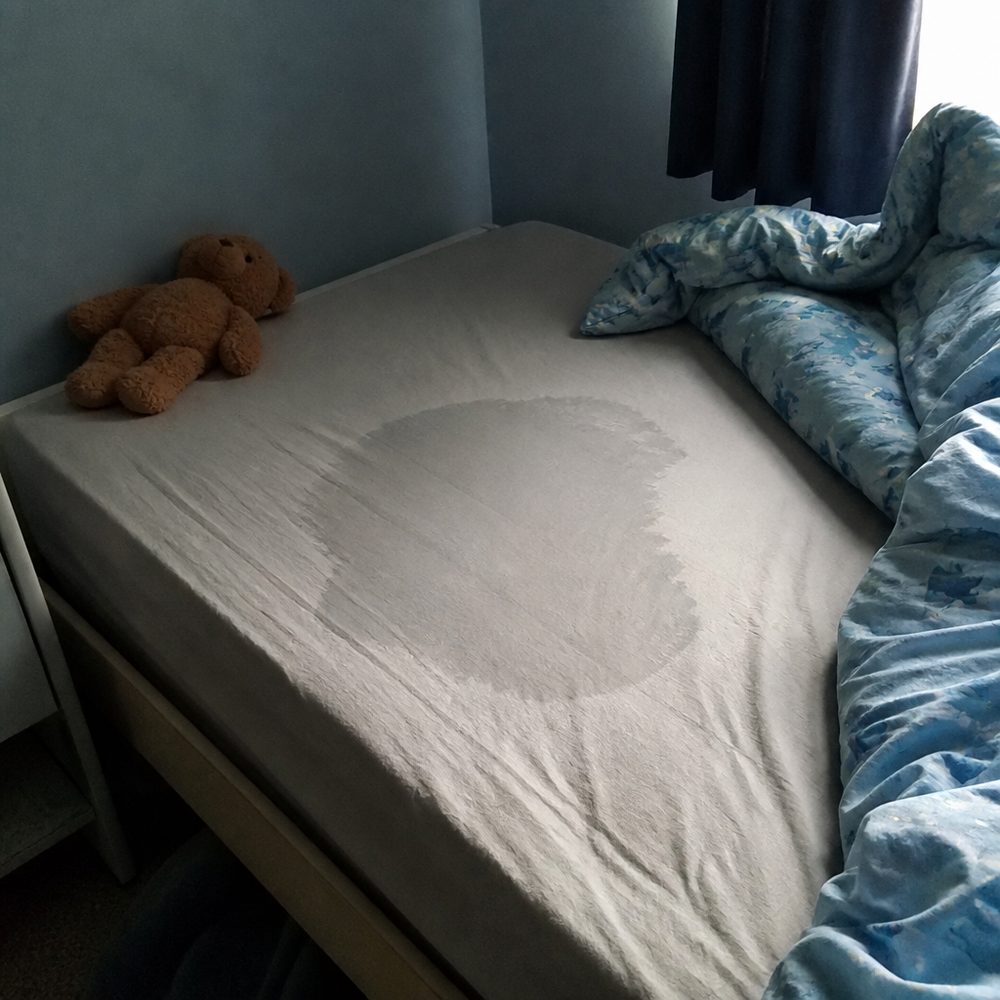
Millions of parents are buying a comfort feature that works directly against the thing they're trying to teach.
It's printed on the front of nearly every packet. Almost nobody reads it closely enough to notice.
Potty training is a feedback loop. Stay-dry linings remove the feedback. A child cannot learn from something she never felt.
Just want the checklist? Skip to section 9 →
1 It is not her. It is the equipment.
You've done everything the books said.
The potty came out early. You read the books together. Cleared a weekend. Bought the stickers. Said the encouraging thing forty times a day without once letting the frustration into your voice.
And she still doesn't tell you.
By week four, most parents start googling whether their child is behind. By week six, a good number quietly conclude they're doing something wrong.
Almost none of them think to check what the child is wearing — which turns out to be the single most consequential variable in the entire process.
2 What a “stay-dry” lining actually does
Turn the packet over.
Nearly every training pant advertises a stay-dry lining, and it's sold as a benefit. What it does is pull moisture off the skin within seconds.
In an overnight nappy that's exactly right. Comfort is the job.
In a training pant — a garment whose entire purpose is that the child notices — it deletes the lesson before it starts.
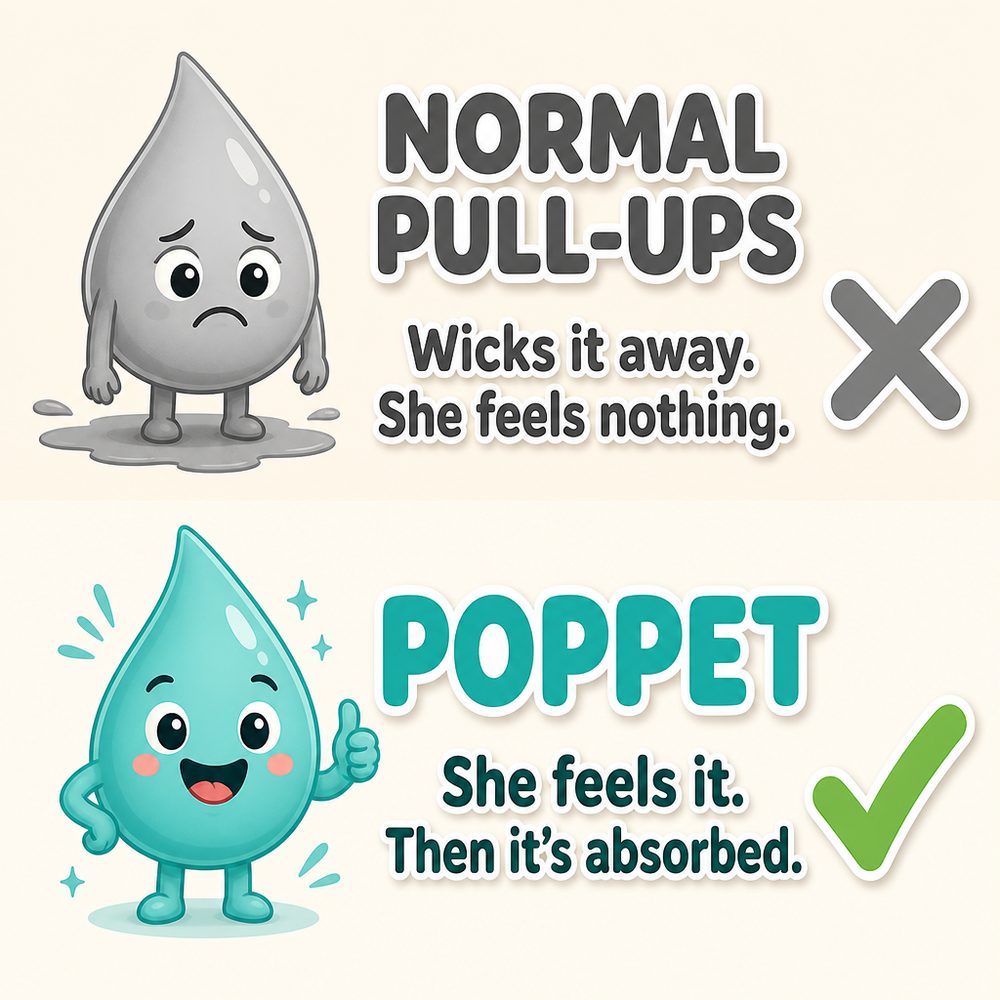
Watch the left side. The moisture appears at the surface and is gone, pulled down and away. There's nothing left for her to register.
Now the right. It stays where she can feel it. Only then does the layer underneath take it.
Both keep the floor clean.
Only one of them teaches her
anything.
3 The numbers everyone quotes backwards
There's a statistic doing the rounds on parenting pages claiming children who train after 32 months take significantly longer.
It's repeated constantly, usually with an urgent tone attached.
It is inverted.
The actual prospective study, published in Pediatrics by Blum, Taubman and Nemeth, found the opposite of the viral version: children who started earliest took the longest overall.
A median means half of all children get there later than that. If she's 27 months and stalling, she may simply be 27 months.
Starting earlier does not buy you time.
It costs you time.
4 The three stages, in order
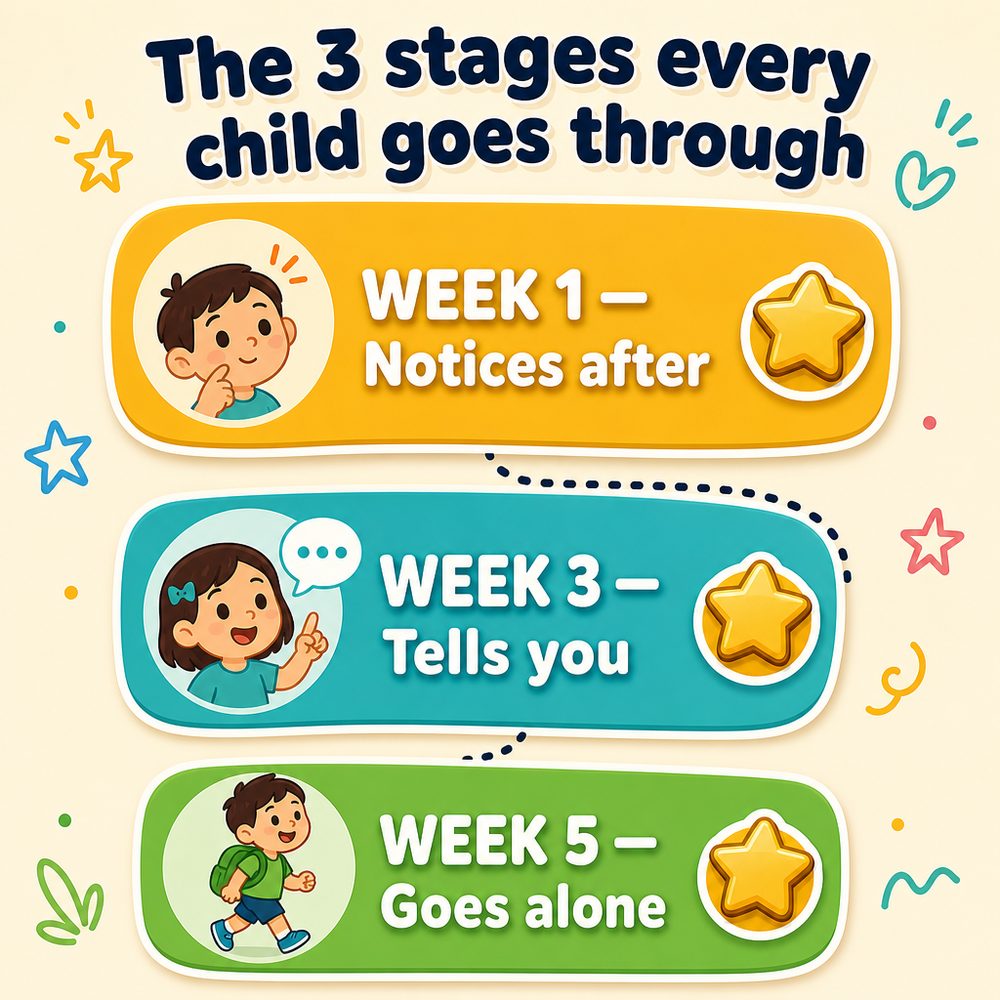
First she notices after it's happened. Then during. Then, eventually, before.
You cannot skip stage one. It's the foundation the other two are built on.
And stage one is precisely the stage a stay-dry lining prevents.
5 “So just put her in normal undies”
This is the advice in every comment section, and it's half right.
Right: she needs to feel it. That's the mechanism.
Wrong: about what happens next. Cotton undies mean every accident reaches the floor, the rug, the car seat and the childcare bag.
Most families can't sustain six weeks of that. By Thursday they retreat to pull-ups — and lose the signal all over again.
6 What it looks like when it works
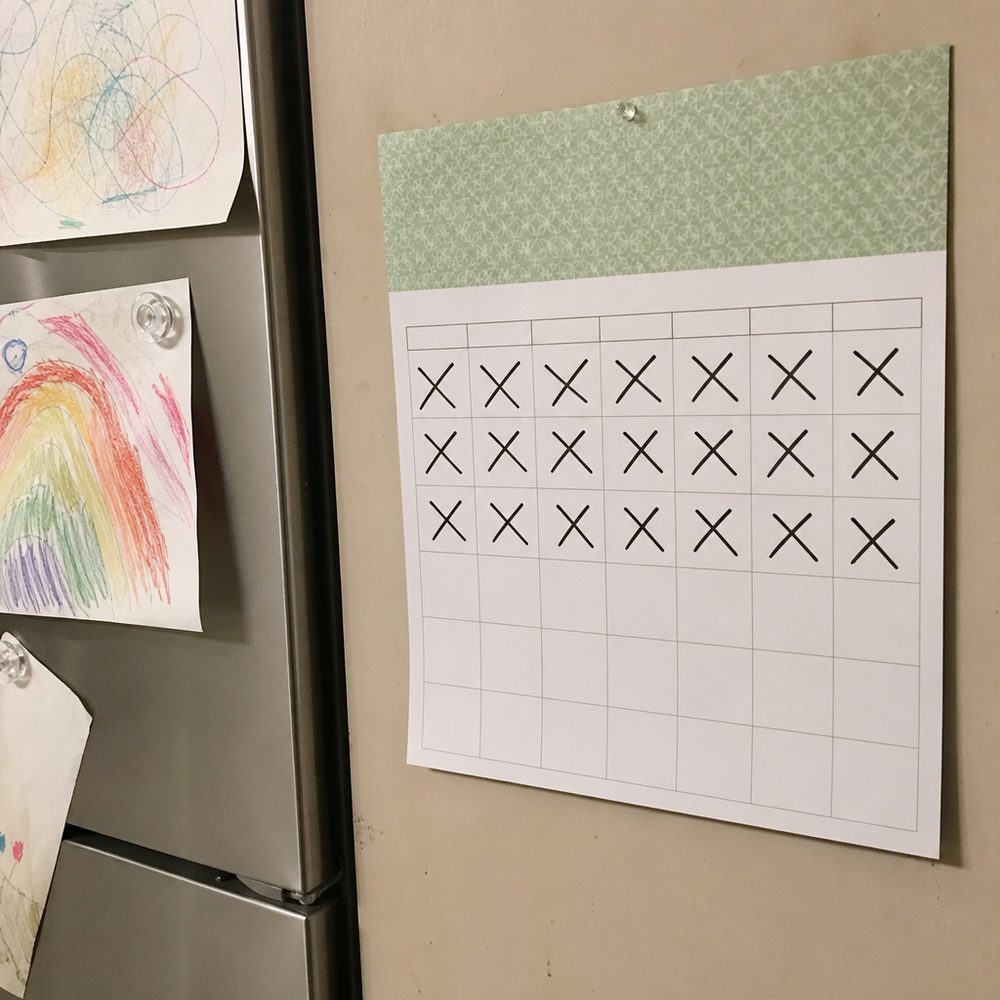
Not day three. Not the weekend the book promised.
For most families the first real sign lands somewhere in week two. She says something after the fact, unprompted, because for the first time she has something to report.
Then it stalls. Then it moves again.
The parents who get through it are usually the ones who stopped measuring against the neighbour's toddler.
7 The objections we hear most
Briefly — and that's the point. It's a wet feeling for a short period before the core takes it. Not painful. Not a punishment.
No. A cloth nappy is built to hold and to keep skin dry. This signals first and holds second.
More so, not less. Interoceptive awareness is frequently reduced, so the signal is already faint before anything wicks it away.
8 What to look for
- A feel-through inner — if the packet says stay-dry, put it back
- Absorbency beneath the inner, never in front of it
- A real leak barrier, so you can still leave the house
- Cut like underwear, not like a nappy
- Enough pairs to survive a wash cycle. Five is not enough. Ten is.
Very few products clear all five, because the first two are in direct conflict with how the category has been marketed for twenty years.
9 Where that leaves you
If you're six weeks in and nothing is happening, the most likely explanation is not your child.
Not your timing. Not your consistency. Not your patience.
It's that the garment is engineered to prevent the exact sensation the process depends on.
That's a genuinely easy thing to fix — and it costs less than the disposables you'd otherwise buy every week until this is over.
SEE WHICH PANTS PASS ALL FIVE →The Parent Brief is reader-funded. This article contains affiliate links. Sources: Blum, Taubman & Nemeth, Pediatrics (2003); ERIC.