7 Signs Your Recurring Yeast Isn't What You Think It Is — And Why 57% Of Women On The "Gold Standard" Prescription Still Relapse Within A Year.
A Boston-based integrative gynecologist explains the seven overlooked signals that a routine "yeast infection" is actually part of a chronic recurrence loop — and what her clinic prescribes instead of a fifth Diflucan script.


One in every fifteen women in the US will have a diagnosed yeast infection this year. For most, it's a single OTC cream and it's over. But for a growing subset — an estimated 138 million women worldwide — the flare comes back within three months. Then again. And again. And no drugstore aisle in the country has anything that stops it.
What Dr. Marisa Ellery — a board-certified OB/GYN who completed the Andrew Weil integrative-medicine fellowship after eighteen years of watching the same women return every quarter — wants recurrent sufferers to understand is that the loop isn't a treatment-failure problem. It's a diagnosis-failure problem.
Below are the seven signs Ellery's clinic uses to identify a recurrence loop rather than an isolated flare. If you recognise three or more, she says, the drugstore has run out of tools for you.
The discharge is odorless — and thick, curd-like, cottage-cheese white.
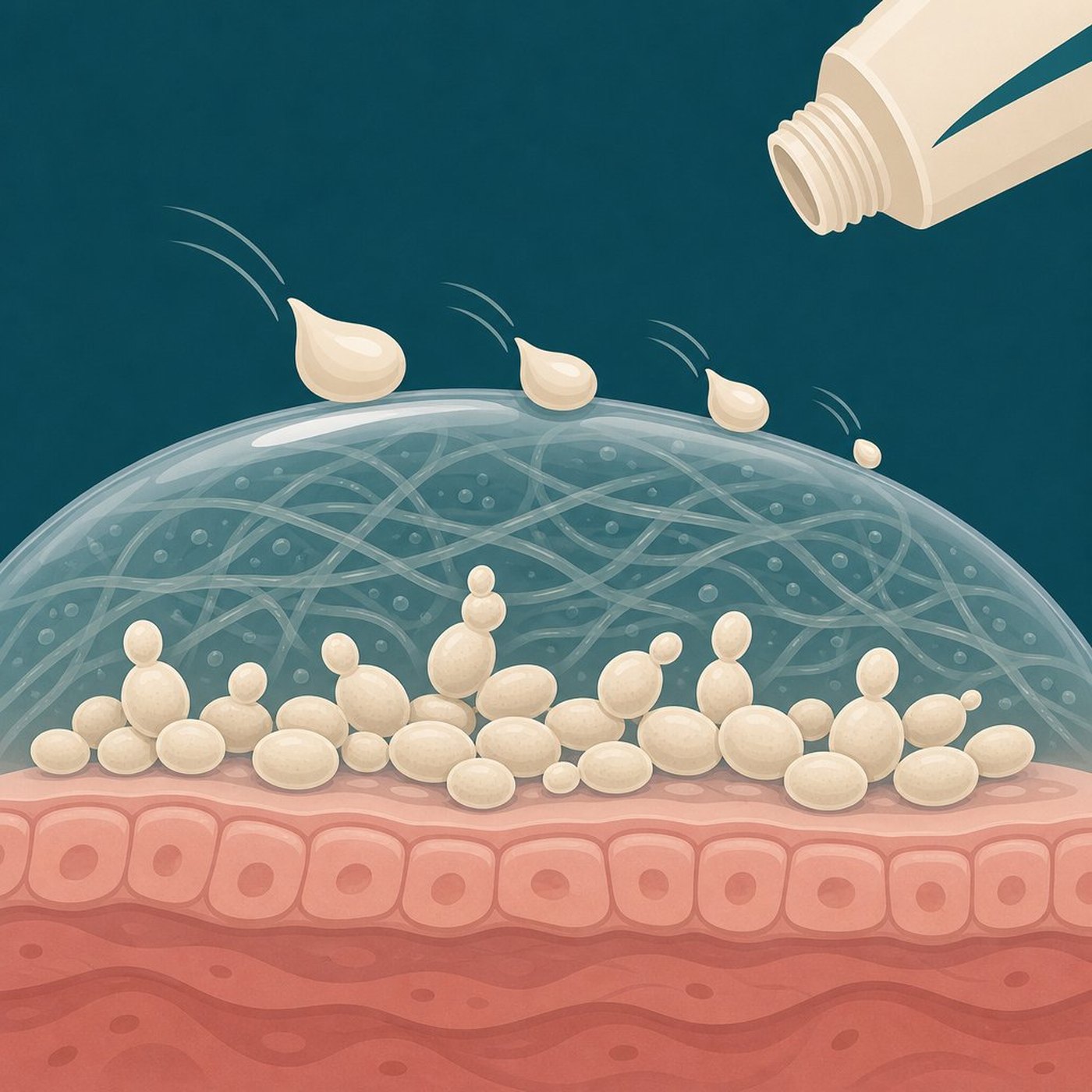
The single most misdiagnosed sign. If your discharge has a fishy or off odor, it's almost certainly not yeast — it's bacterial vaginosis (BV), and every OTC yeast cream you've bought was aimed at the wrong problem. True Candida discharge is odorless, thick, and unmistakably curd-like: what clinicians describe as "cottage cheese" against a white pantyliner.
Between flares the discharge may look normal. During a flare it's dense, adherent to the vaginal wall, and doesn't wash off easily. That texture is the biofilm the yeast has built — the film that OTC creams cannot penetrate (Frontiers Cell Infect Microbiol 2022).
The itch is deep, not on the surface.
A superficial itch that responds to scratching or a cool cloth is usually irritation — from a laundry detergent, a new pad, tight fabric. Candida itch is deeper. Women describe it as burning inside the tissue, a pressure that scratching doesn't touch, an ache that sits in the vulva and radiates.
The reason is where the yeast lives. Surface irritants stay on the mucosa. Candida burrows into the tissue and lays down its biofilm shield underneath. The itch you're feeling is coming from a layer your cream can't reach. This is failure mode #1 on Ellery's diagnostic chart.
See What Ellery's Clinic Actually Prescribes →90-day money-back guarantee · Third-party tested for carvacrol + thymoquinone potency
Urinating triggers an external splash burn — not an internal bladder burn.
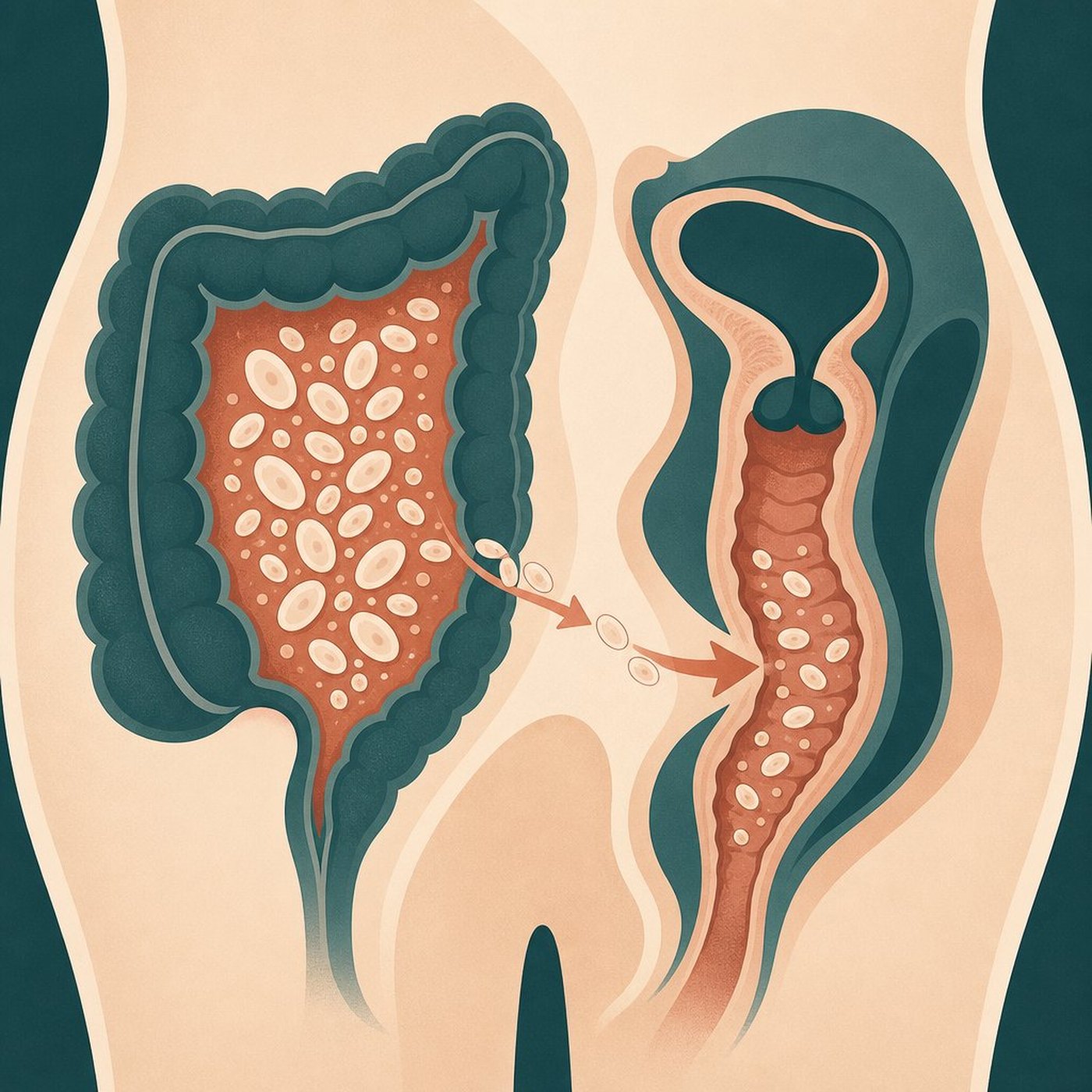
Women who have had a UTI recognise the sensation: burning deep inside, felt with the flow itself, sometimes with the urge to go despite an empty bladder. Candida burn is different. It's external — a "splash burn" as urine hits the inflamed, fissured skin of the vulva on the way out.
Both feel urgent. Both send women to urgent care. But one gets treated with an antibiotic that has no effect on yeast and often makes it worse by wiping out the protective vaginal flora. If you've been on three courses of nitrofurantoin in six months and the "UTIs" keep coming back, Ellery's first move is a swab for Candida — not another urine culture.
The flare arrives in the week before your period — and quiets during it.
Candida is hormonally driven. The premenstrual week — when estrogen and progesterone shift and vaginal pH tips toward the range Candida prefers — is the classic flare window. If you can predict the itch by the day of your cycle, that's a diagnostic signal in itself. Isolated infections don't have a calendar. Recurrences do.
Post-menopausal women see a variation on this pattern: the first flare of their life often arrives within months of starting hormone replacement therapy, especially oral estrogen. HRT doesn't cause yeast, but it re-creates the hormonal environment that recurrent Candida requires.
See The 8-Week Reset Protocol →Ellery's full protocol · From $59 · Free US shipping on 3+ pouches
You've been on your third or more Diflucan script in a year.
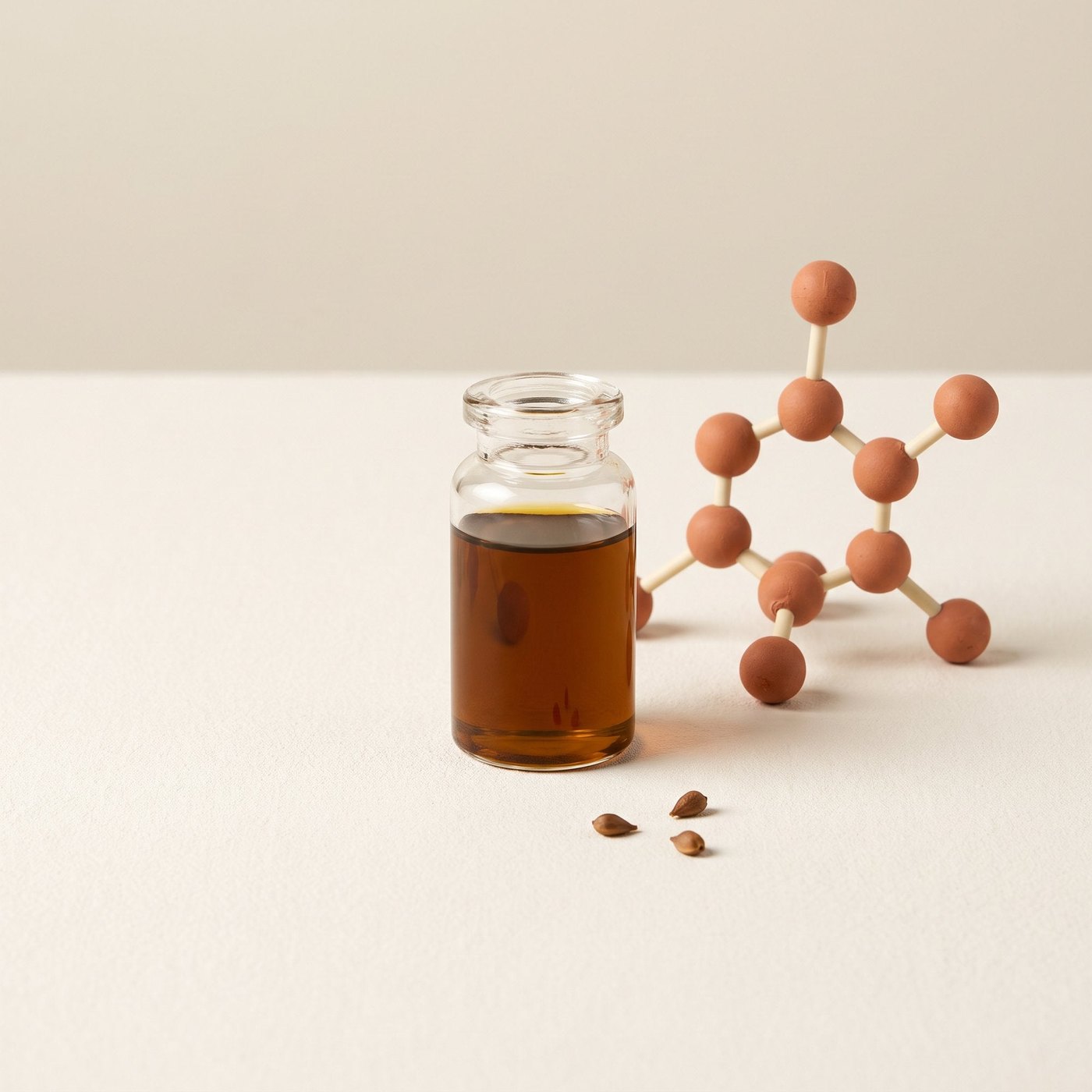
Fluconazole (Diflucan) is the first-line prescription for recurrent VVC. It clears the visible flare fast. But here's the number nobody tells you when they write the script: in Sobel's landmark New England Journal of Medicine trial (2004), 57% of women recurred within twelve months even while on continuous suppression therapy with weekly fluconazole.
Two things are happening. First, the drug doesn't penetrate the biofilm shield that mature Candida has built over itself. Second, every course is a selection event that shifts your yeast species mix: US surveillance shows Candida glabrata — the second-most-common vaginal Candida — has nearly doubled its fluconazole resistance from 14.6% to 29.3% between 2020 and 2021. Fluconazole doesn't work on glabrata. And every recurrence increases the odds your next flare is glabrata.
You have white plaques on your tongue, angular cheilitis, or wet skin between your fingers.
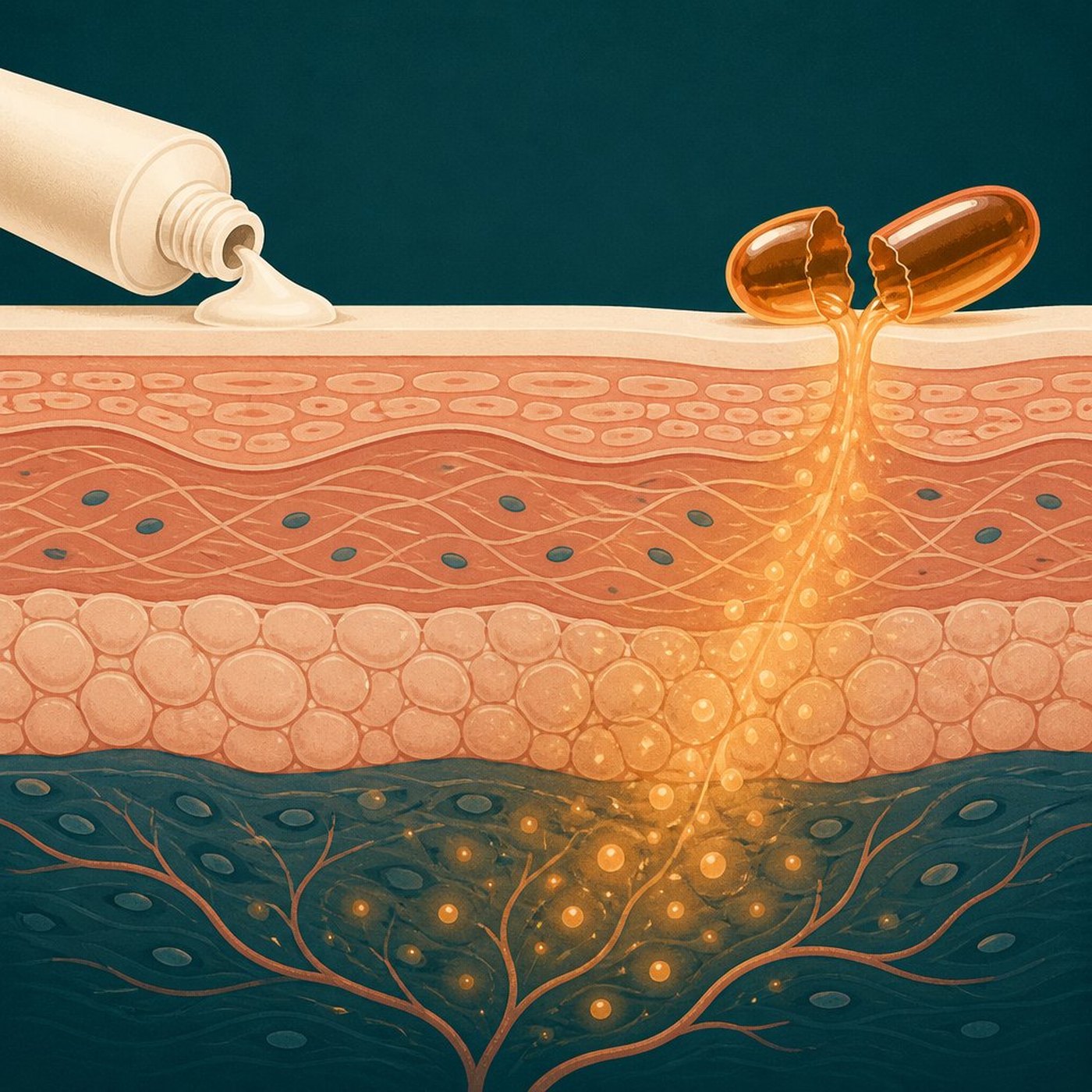
Candida in one warm mucous fold is a strong signal it may be in others. Ellery's clinic screens recurrent VVC patients for three co-existing sites: oral thrush (white cheesy plaques on the tongue that don't wipe off, altered taste, cracked corners of the mouth known as angular cheilitis); intertriginous candidiasis (red, wet, cracked skin under the breasts, in the groin, between fingers); and nail changes in longer-term sufferers.
Same yeast. Different hole. A topical cream at each site treats each site — none of them treat the fact that your body is now colonised in multiple places at once.
Read Dr. Ellery's Recommendation →Lipid softgel format · 90-day money-back guarantee · Opened pouches included
You've been recurrent for more than eighteen months.
The mean symptomatic duration for women with recurrent VVC, from first diagnosis to last documented episode, is 1.5 years (Sasi et al., Cureus 2025). If you're past that point, you're not in a "run of bad luck." You're in a chronic recurrence loop that has proven itself resistant to standard-of-care.
This is the profile Ellery's 8-week reset is aimed at. Not first-time sufferers — those clear with an OTC cream and never come back. It's the women who've had three or four flares this year, who've done everything they've read online, and who need something that reaches where the drugs and the creams don't.
What The Ellery Reset Actually Looks Like
Load phase — 4 softgels a day. The biofilm-disruption fortnight. Most women describe the flare-that-was-about-to-hit not hitting.
Steady — 2 softgels a day with the largest fatty meal. First real symptom-free month, usually in over a year.
Assessment — the Sobel-style relapse window. If nothing has come back by day 56, Ellery considers the loop broken.
Maintenance — 1–2 softgels during the premenstrual week only. Some stop entirely and re-start only at the first twinge.
The Softgel Ellery Prescribes
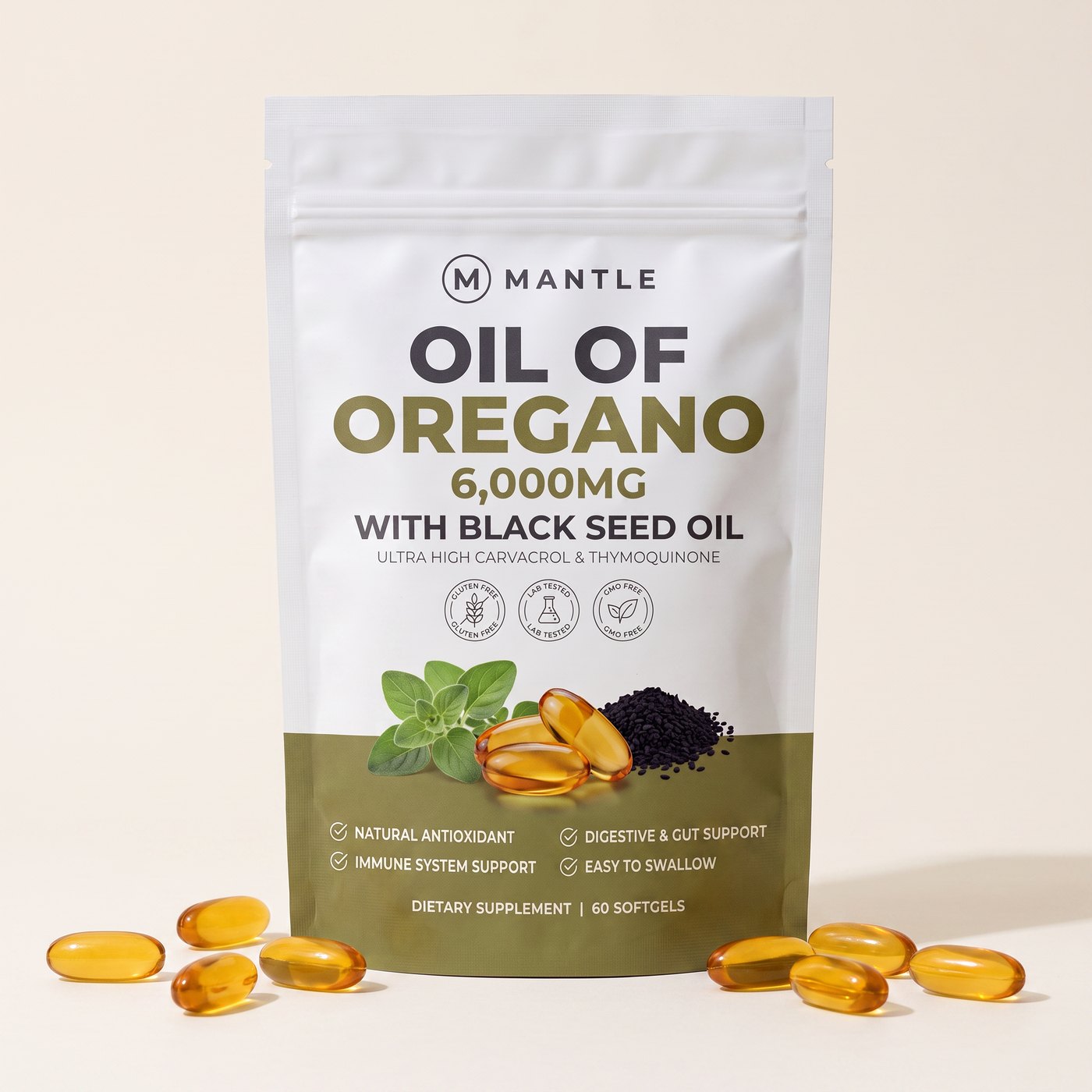
Mantle — Oregano + Black Seed Oil Softgel

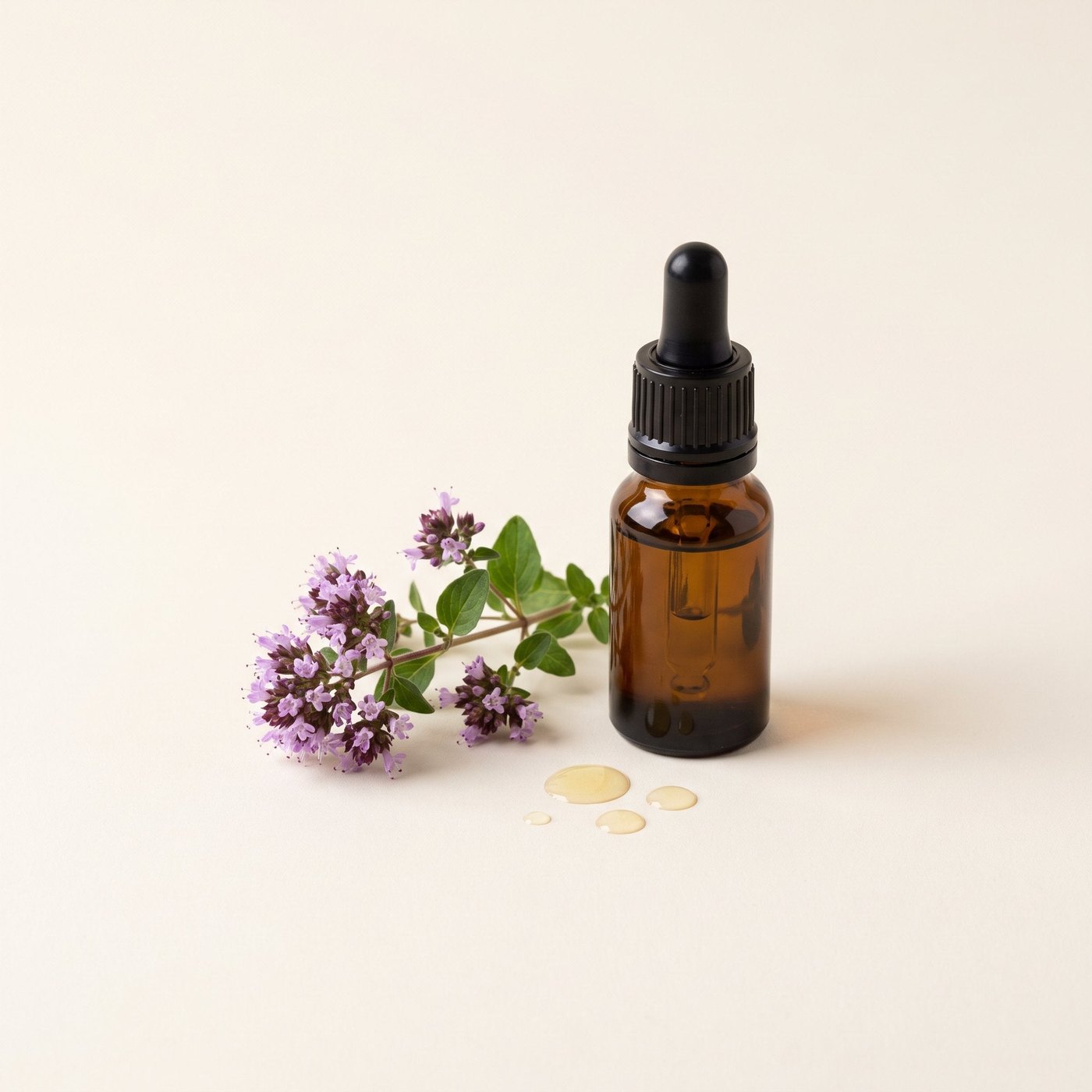
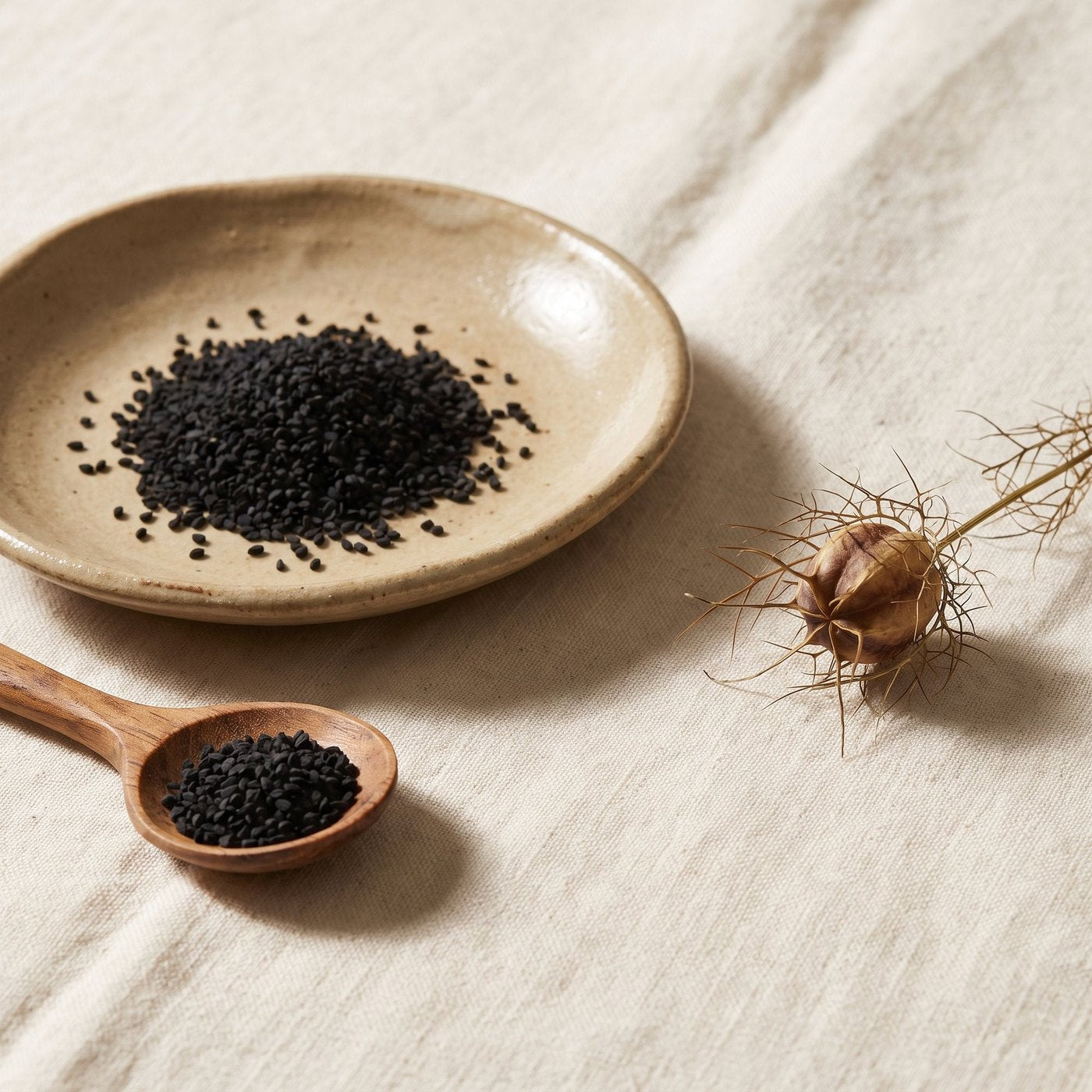
Two plants. One softgel. Every day. Wild Mediterranean oregano oil standardised to min 80% carvacrol, cold-pressed Nigella sativa black seed oil standardised to 3% thymoquinone. Lipid softgel format — no burning oregano taste, no acid-degraded actives.
90-day money-back guarantee, opened pouches included. Third-party tested. Ships from the US.
See What Ellery Recommends →Free US shipping on 3+ pouches · From $59 · Ellery clinic protocol
This article is a paid promotion for Mantle. It contains information about a nutritional supplement, not medical advice. Statements about Mantle have not been evaluated by the Food and Drug Administration. Mantle is not intended to diagnose, treat, cure or prevent any disease, including vulvovaginal candidiasis. Clinical statistics cited (Sobel 2004, Niu 2020, Nouri 2023, US CDC C. glabrata surveillance 2020-2021) refer to the individual active molecules studied — not to Mantle as a finished product. Individual results vary.